BurbleNeuro's
articles
Technology advances and the ways in which we view and relate to autism are constantly changing. Burble is continually monitoring news and developments and tries to bring these to you here without bias or agenda. We hope that you find these articles useful, and if you have news you would like us to share with the community please let us know.

The Communication Gap: New Research on Autistic–Neurotypical Mismatch.
The study found that communication challenges between autistic and non-autistic people may stem less from individual deficits and more from unconscious differences in communication styles.
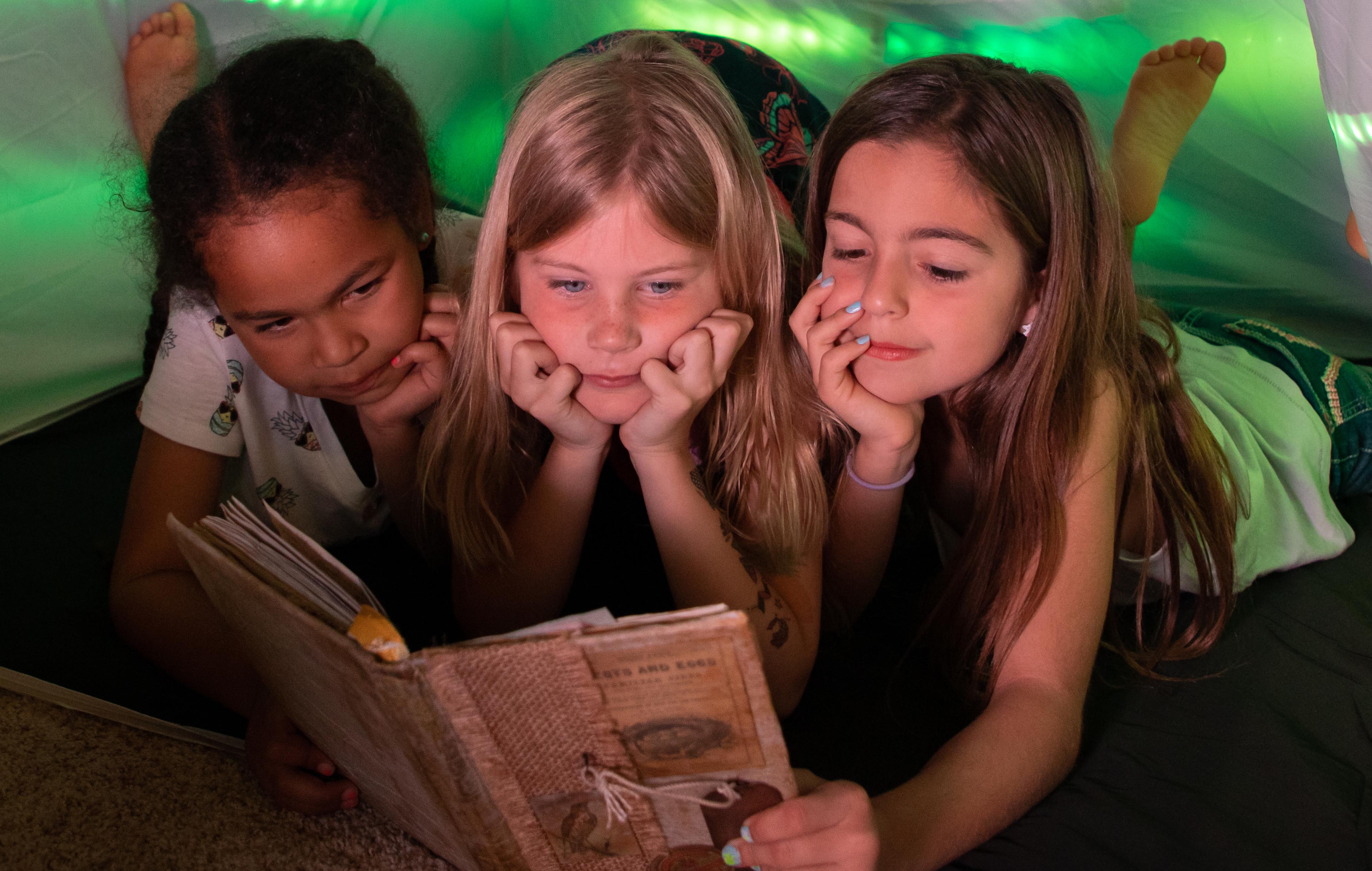
Storythinking: How Narrative Builds Creativity, Resilience, and Regulated Minds.
Before a child can imagine, create, or communicate, their nervous system must feel safe and regulated.
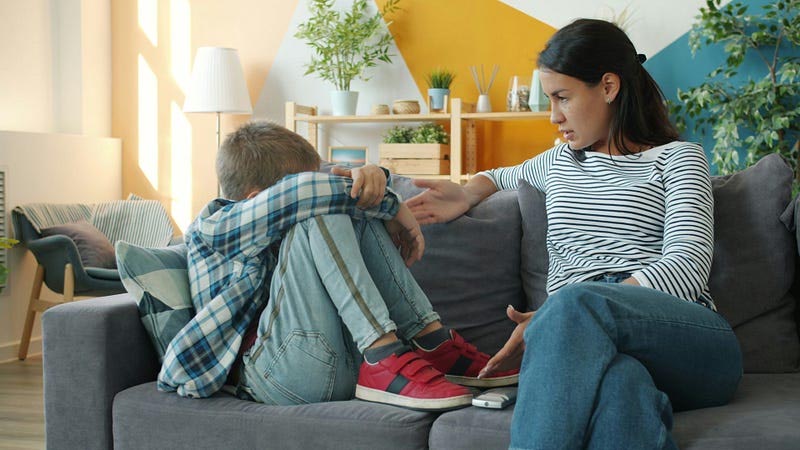
How Nonverbal Autistic Children Gain Speech: Why Regulation Comes First.
A dysregulated child cannot access language — no matter how skilled the therapist or how evidence-based the curriculum.
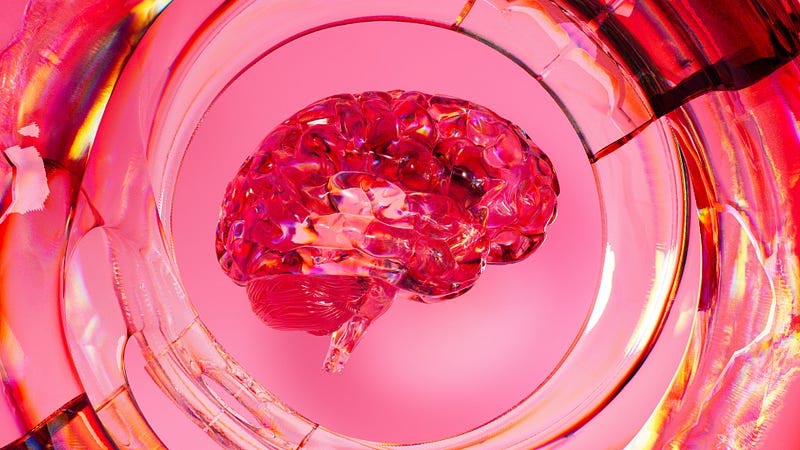
Brain Organoids Uncover Shared Mechanisms in Autism's Genetic Puzzle.
This suggests that while autism-associated mutations are genetically diverse, they may funnel into common biological processes during early brain building.
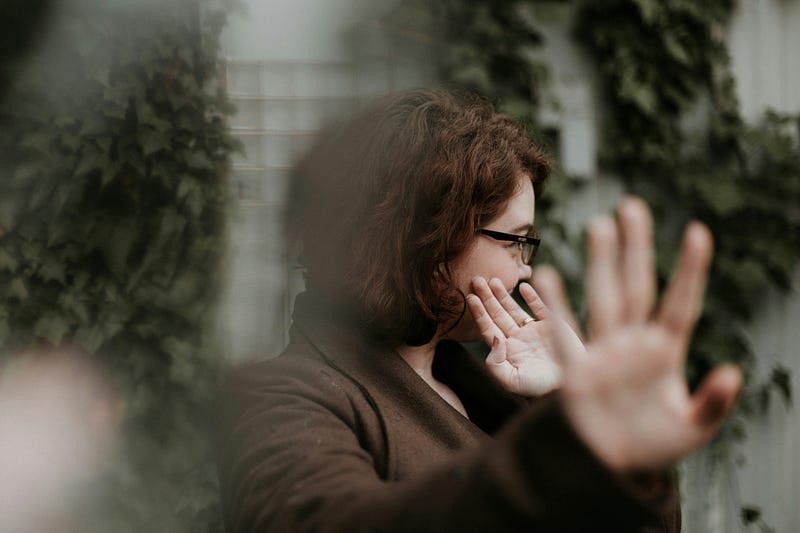
Living Beyond Words: What It's Like to Have Nonspeaking Autism.
Many nonspeaking individuals understand language deeply and have rich inner thoughts.

From "Deficit" to Dignity - Changing Attitudes Towards Autism.
What truly holds autistic people back isn't autism itself, it's prejudice. misunderstanding, sensory hostile environments, forced masking, and social rejection.
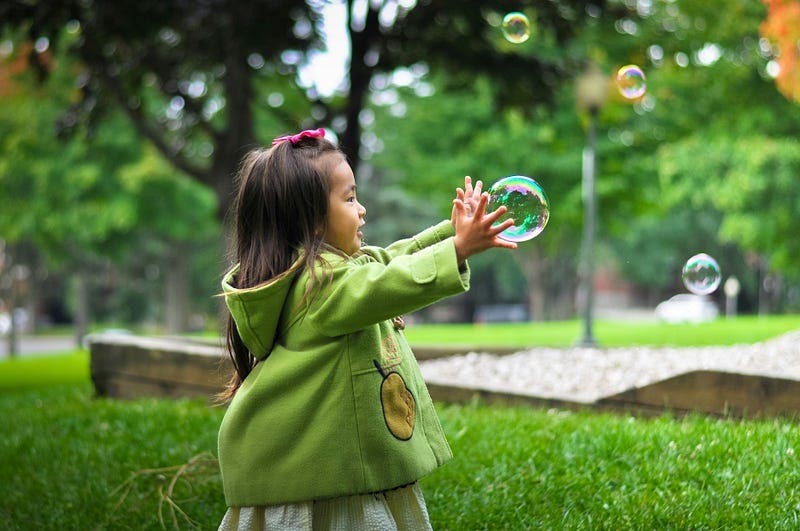
Supporting Families Through Shifting Concerns in Autism Development.
Parental concerns aren’t just practical , they have emotional weight. Ongoing anxiety related to developmental milestones, school challenges, and future independence affects the family’s well-being.
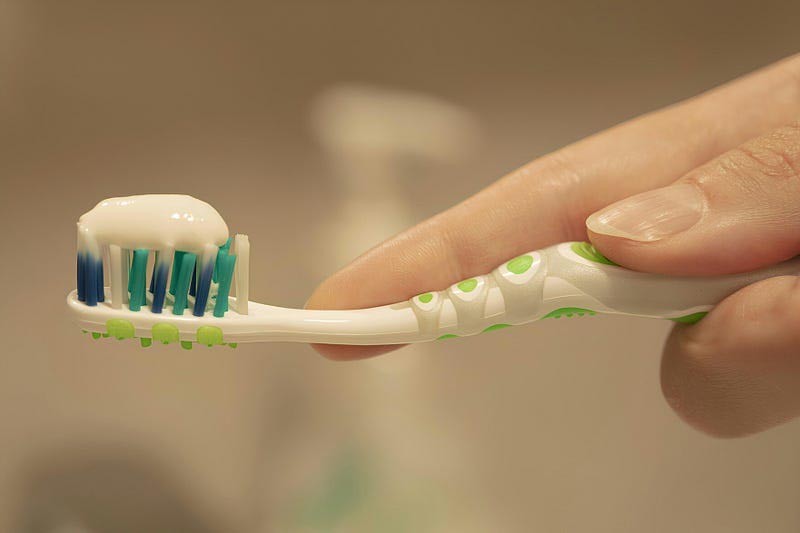
Mouth & Mind: How Oral Health Shapes Well-Being for Autistic Children and Why It Matters.
Oral health is a “sensory gateway,” deeply intertwined with tactile experience, oral-motor patterns, communication, and self-care skill development.
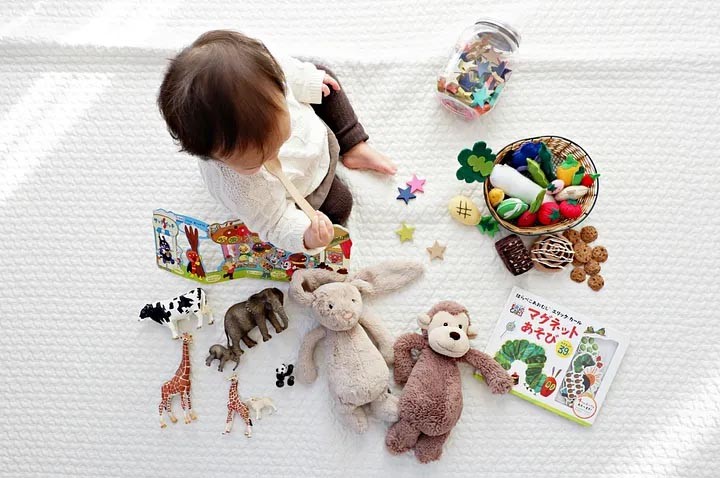
When Playtime Meets AI: What We Need to Know About AI-Powered Toys for Kids.
AI-powered toys represent an exciting evolution in play — but they also remind us that technology should support, not supplant, human connection in childhood.
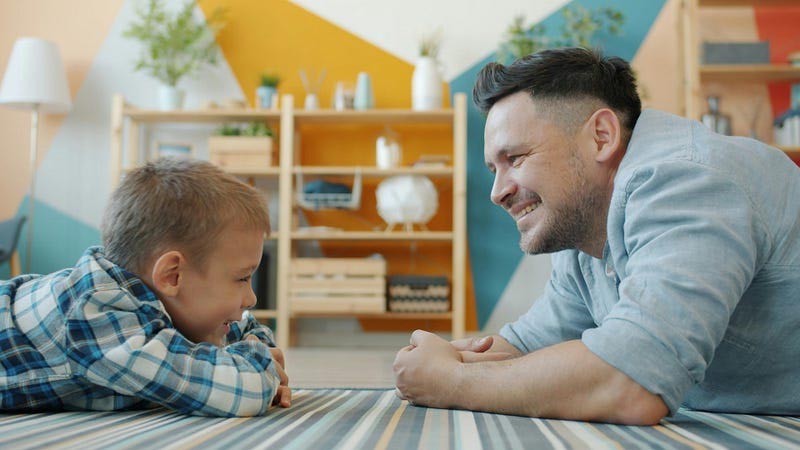
Unlocking Communication: New Research to Support Children with Autism.
Communication is at the heart of connection, learning, and independence.
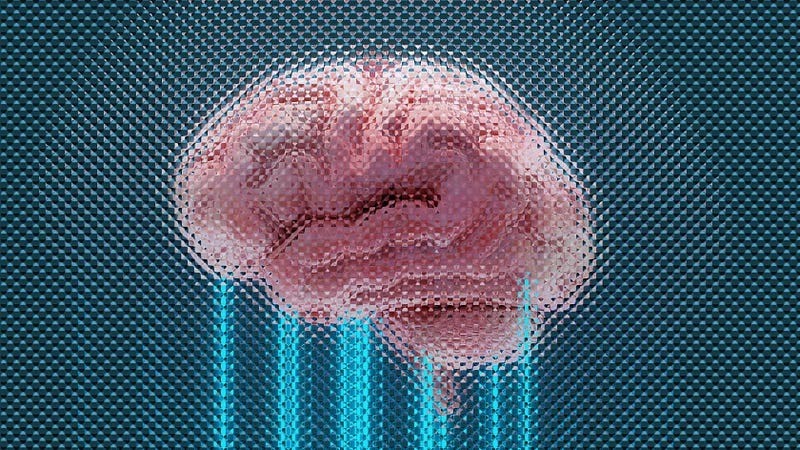
New Science Shows Imagination Can Change the Brain.
What this new research confirms is something we see every day in sensory-rich learning environments: imagination is not abstract — it is embodied.

If Your Adolescent Has Autism: A New Evidence-Based Guide for the Teen Years.
There’s no single manual for raising an autistic teen. But resources like If Your Adolescent Has Autism help shrink the guessing game.

Scientific Insight: What Circadian Rhythms Are, and Why Disruption Matters.
For kids (and adults), circadian disruption often shows up before anyone says “sleep disorder.”
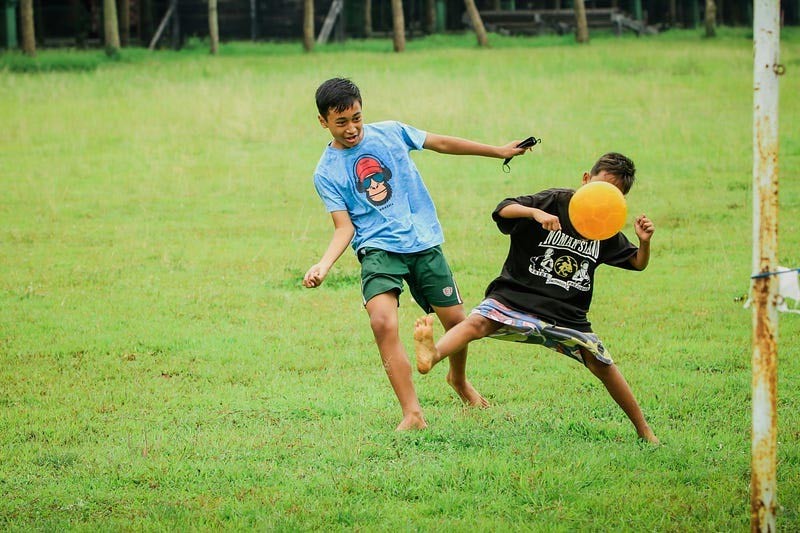
When the Environment Doesn't Love Them Back: Removing Barriers So Autistic Kids Can Move, Play, and Belong.
If we remove barriers — sensory, social, structural — we don’t just increase participation. We expand belonging.

Why Communication Is Harder for Some Autistic Individuals - And What New Brain Science Shows.
The DGIST findings give biological backing to why sensory-rich, flexible, and inclusive learning spaces are so essential: because autistic learners may communicate differently, not “improperly.”
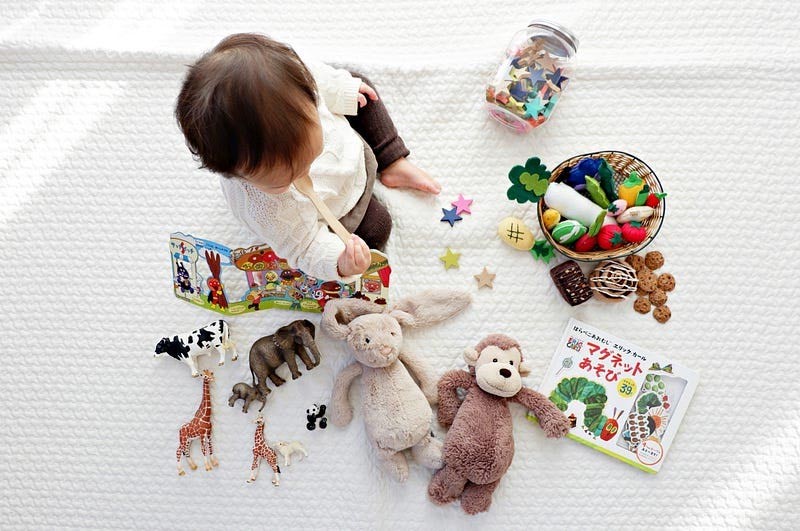
When "Smart Toys" Might Short-Circuit Creativity: What AI-Powered Toys Mean for Young Minds.
Early childhood — when brains are “sponges,” soaking in experiences — relies heavily on open-ended, imaginative play.

When the Blue Lights Flash: Making Traffic Stops Safer for Drivers on the Autism Spectrum.
The aim is to support autonomy: drivers on the spectrum aren’t just passive subjects; they can learn to navigate these interactions with confidence and foresight.

Mapping the Genetic Landscape of Autism: What Parents, Educators & Caregivers Should Know.
The genetic and cognitive science of autism is entering a new era, opening up pathways for better-matched supports, deeper empathy, and empowered learning trajectories.
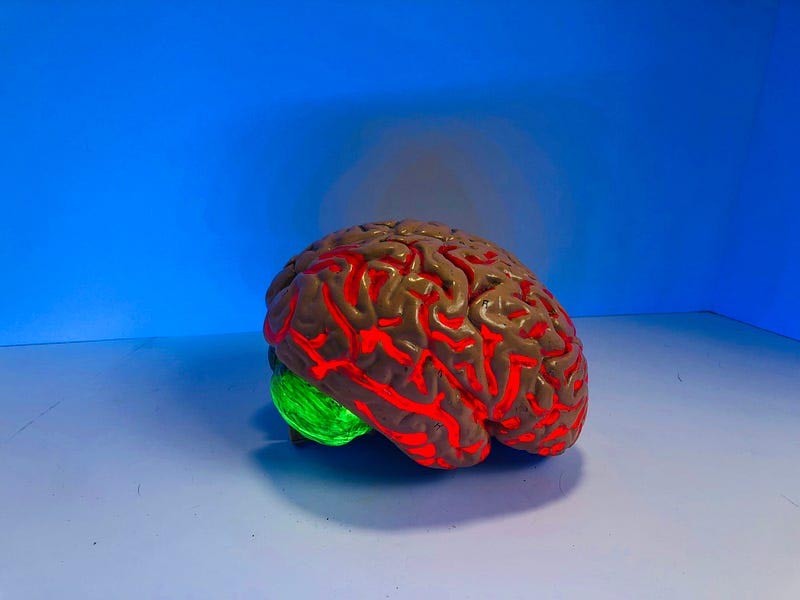
Shared Brain Signatures in Autism and ADHD: What Educators, Parents & Researchers Should Know.
These results have several important implications for how we support children who are neurodiverse — whether they carry diagnoses of ASD, ADHD, or both.
Creativity Is For Everyone: What David Kelley's 'Brief But Spectacular' Moment Teaches Us About Design and Innovation.
Kelley emphasizes many people assume they’re “not creative” because someone told them so (teacher, peer, parent).
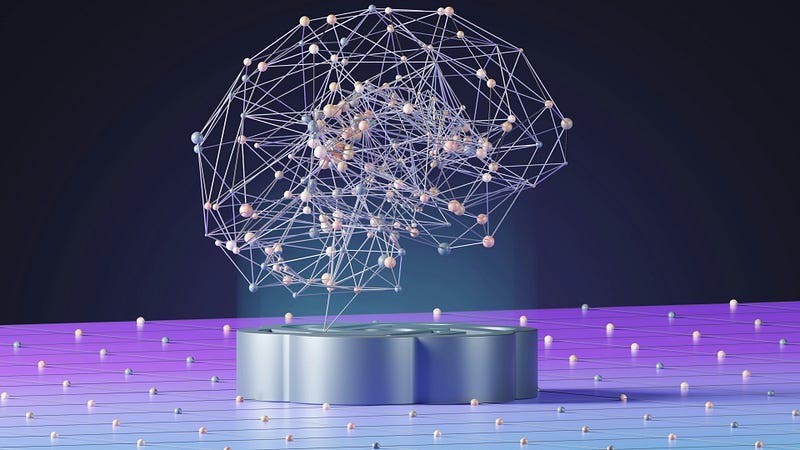
The Softness of the Mind: How Brain Mechanics May Shape Learning and Development.
Creating learning environments that respect sensory needs and physical comfort isn’t just kind — it’s neuroscientifically sound.
When Imagination Becomes the Greatest Gift: A Poetic Holiday Short Film.
…this reminds us the most potent gifts are often small — someone believing, someone noticing, someone imagining.

Unlocking Hidden Patterns: What the Latest Research Reveals About Nonverbal Learning Disability and How to Improve Diagnosis & Care.
As we continue to build tools, programs and policies for neurodivergent learners, recognizing the patterns behind the problem becomes just as important as recognizing the problem itself.

Pause, Reflect, Thrive: A Neurodiversity-Affirming Intervention for Autistic Adults.
For those of us working at the intersection of innovation, social impact and neurodiversity, this program is worthy of attention.
Bridging the Gap: How Child Neurologists Can Uncover Motor Challenges in Autism.
To close the gap between what research shows and what practice delivers, the UCLA team (led by Dr. Rujuta Wilson) recommends several strategies.
Creativity as Medicine: How Burble's Imagination-Focused Design Aligns with Brain Health Science.
In an era of overstimulation, reintroducing calm creative play may be one of the most scientifically sound interventions we can offer.
Screens, Boundaries & Imagination: How Burble Builds Better Play Between Technology.
The key idea: we don’t just want kids away from screens — we want them toward spaces of fertile imagination.

Understanding Autistic Suicidal Risk: What Recent Research Reveals & How We Can Act.
Many autistic individuals “mask” or suppress authentic behavior to fit in socially. Over time, that takes a heavy toll.

Leucovorin & Autism: What's the Evidence, What Do We Know So Far?
The idea is that some children with autism may have methylation or folate-pathway abnormalities, so leucovorin might help support those pathways.

Beyond Brains & Algorithms: What AI Detection Means.
Tools that could help clinicians flag developmental differences earlier and allocate resources more efficiently.

Gut Feelings: How Persistent Digestive Woes in Autistic Kids Impact Sleep, Sensory Processing & How We Can Help.
If a child is regularly complaining of stomach pain, showing signs of constipation/diarrhea, or has bloating, raise it with a pediatrician.

Quiet Comfort at the Table: How Autism Eats Inspires Dining Without Judgment.
This nonprofit hosts autism-friendly events where restaurants adjust lighting and sound, hold dinners in private or semi-private spaces, and welcome families with open arms.

Difference, Not Deficit: Why Neurodivergent Communication Deserves to Be Valued.
We believe that bridging communication divides starts by valuing difference, not trying to erase it.

How Sleep Locks in Learning - and How Burble's Sleep Mode Helps Your Brain Do Just That.
Imagine reinforcing the day’s learning — not just in guided sessions, but in the gentle, soothing transition to sleep that Burble offers.

From Advocacy to Action: How Burble Builds Community and Shares Stories that Matter.
Families navigating autism don’t just need tools — they need networks, resources, and spaces where their voices are heard.

Bridging Gaps in Mental Health Care for Autistic Adults - and How Sensory Immersion Could Help.
This highlights the urgent need for validated, autism-specific screening tools to ensure accurate mental health

From Cardboard Castles to Light-Wrapped Story Tents: How Play's Imagination Evolves, Yet Endures.
Long before screens, toys were powered not by batteries but by imagination.

A Lifetime Unseen: Why 9 in 10 Autistic Adults Over 50 Were Never Diagnosed.
As major life transitions like retirement or residential care arise, lack of a diagnosis can intensify isolation and distress.
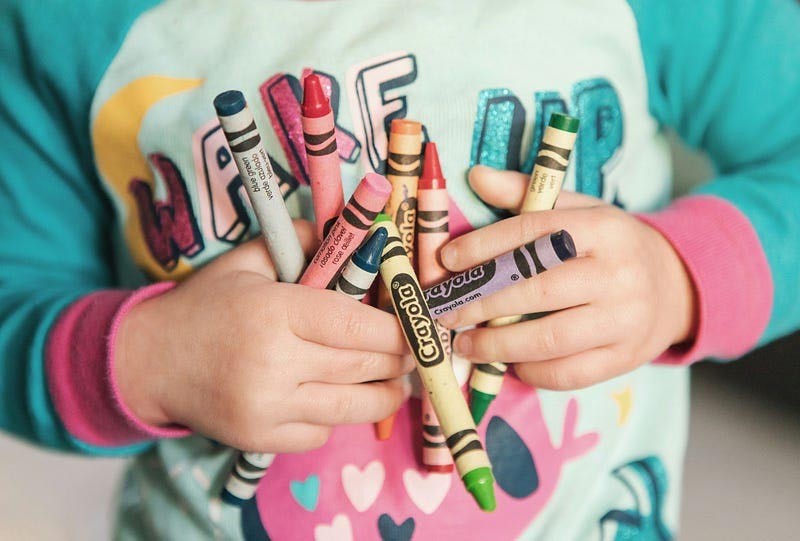
From Crayola Carts to StoryTents: How Creative Innovation Sparks Imagination in Every Form.
This initiative empowers kids to listen, visualize, and create — bridging literacy and art through imagination.

The High Cost of Autism Care: Families Face Nearly 10 Times Greater Healthcare Expenses.
Researchers note that these costs don’t include services provided in schools or institutional settings — meaning the true cost of autism care may be even higher than the reported numbers suggest.

Broadening the Lens: Why Autism Research Needs Greater Sample Diversity in Multisensory Studies.
Without inclusive sampling, research findings may not reflect real-world sensory processing experiences and may inadvertently leave those needing support most behind.

Empowering Independence: UIndy Lab Tackles Financial Literacy Gap for Autistic Young Adults.
The lab emphasized a neurodiversity-affirming and community-informed approach, working towards accessible resources and solutions — rather than outdated deficit-based methods.
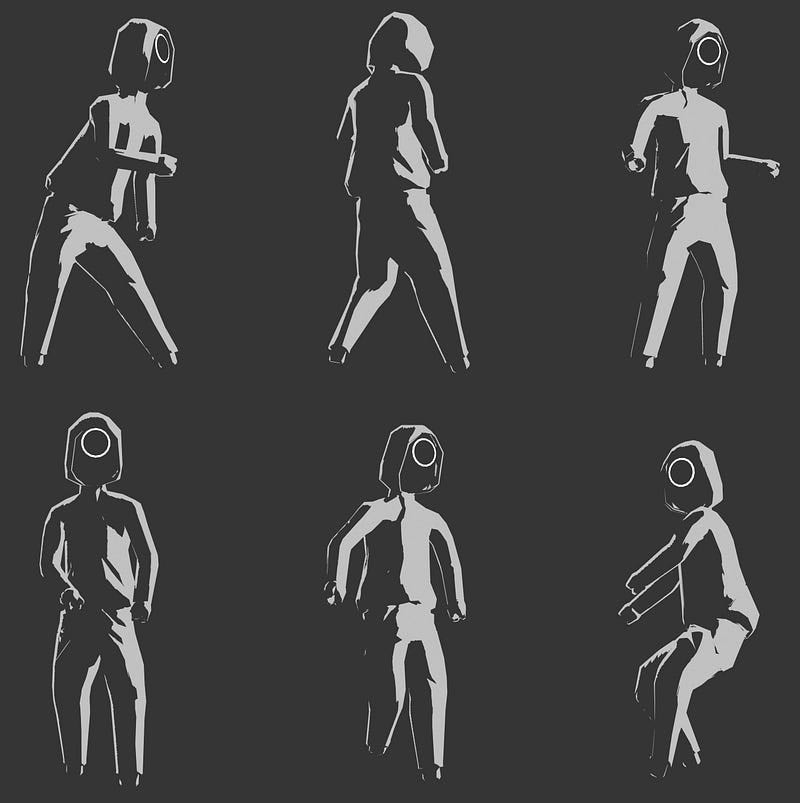
Reading the Body Language: How Autism Affects Motion and Social Perception.
Interventions like motion-based therapies, gesture recognition training, or virtual reality practices could be tailored to help autistic individuals better interpret nonverbal movement cues.

New Tech Reveals How Autism Disrupts Brain Cell Communication - and What That Could Mean for Future Treatments.
Understanding autism remains one of neuroscience’s most pressing puzzles.

Finding Calm Together: How Mindfulness Supports Autistic Children and Their Parents.
For autistic children especially, who may face emotional overwhelm or sensory sensitivity, mindfulness offers structured ways to ground attention and foster calm.

Noora: The AI Social Coach Teaching Empathy to Autistic Teens and Adults.
Noora — a chatbot that simulates social scenarios and provides real-time feedback to improve empathetic responses.

Spectrum Bluegrass: How Bluegrass Music is Bringing the Autism Community Together.
Could bluegrass be a way for autistic individuals to connect? Thus was born Spectrum Bluegrass, a music project creating inclusive jam sessions for neurodiverse musicians.

From Challenge to Connection: How One Mother's Journey Led to Visual Support Cards for Non-Verbal Autistic Kids.
In her own words, “Autism isn’t something to cure — it’s something to understand.”

Virtual Autism: What Is It - and How Can We Prevent It?
When screens become the default mode of engagement, children may miss essential cues and interactions — potentially leading to delays that resemble autism-related traits.

Aging on the Spectrum: Many Autistic Adults Need Lifelong Support.
Aging autistic adults deserve visibility, dignity, and access to tailored care.
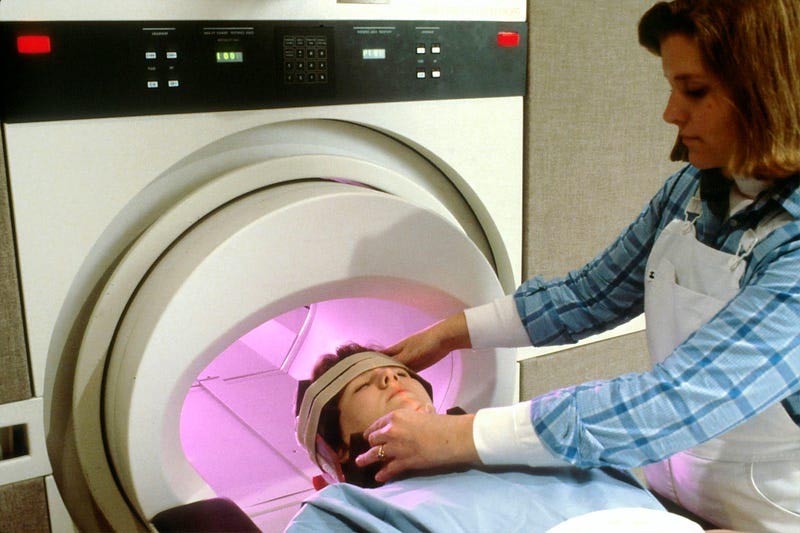
Mapping Autism's Brain Patterns: Insights from Global MRI Studies.
By identifying these anatomical patterns early, clinicians may soon tailor diagnoses and interventions more precisely, paving the way for personalized treatment strategies.

Can EHRs Detect Autism Sooner? New Research Shows Promising Clues.
Early diagnosis of autism opens the door to critical early intervention, which can improve communication, behavior, and long-term developmental outcomes.

Designing With, Not For: How Co-Creation Empowers Autistic Students in Digital Learning.
Instead of treating learners as passive users, co-creation shifts the balance, recognizing their insights as essential to crafting tools that actually work for them.

"Speaking Their Language”: How Culturally Responsive Speech Therapists Support Neurodevelopment.
The program places emphasis on early childhood neurodevelopment, recognizing how language acquisition and sensory integration are deeply intertwined.
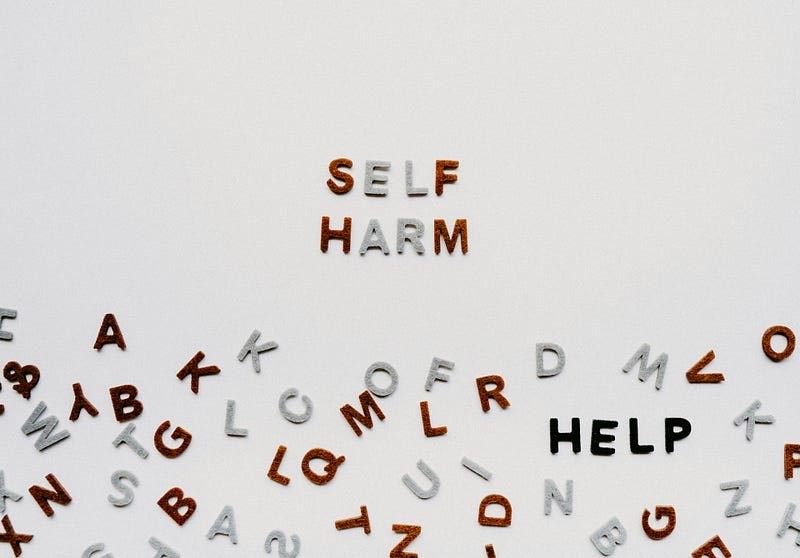
Hunting for Clues: Understanding Self-Harm in Autism.
New research from UC Davis Health is working to uncover the neurological and behavioral roots behind this challenging symptom — and bring hope to families and clinicians.

The Harmful Dating Myth About Autism We Need to Stop Believing.
Let’s shift the narrative from exclusion to inclusion and make space for all kinds of love stories — including those that challenge neurotypical norms.

Autistic Students Are Building Community - It's Time Colleges Listened.
Colleges and universities must evolve from being gatekeepers to being allies, co-creating environments where neurodiversity is embraced, not just tolerated.
The Future of Home Entertainment.
As the immersive simulation market grows toward a projected $45.4 billion by 2030, immersive reality rooms aren’t just a luxury — they’re the future of human-tech interaction at home.

Early Diagnosis Matters: Study Shows Better Outcomes for Autistic Children Diagnosed Before Age 4.
The findings emphasize that timing matters.

Get Involved: Autism Research Projects Now Recruiting Participants Across the U.S.
Whether you’re a parent, teen, or adult on the spectrum, there’s a study out there that could benefit from your voice.

New Study Identifies How Early Sensory Processing Shapes Autism Development.
The findings support a growing consensus that sensory processing isn’t peripheral to autism — it’s central.

More Than a Gym: How Rhino Sports Academy is Creating a Safe Space for Neurodivergent Kids.
The coaches are trained to understand sensory needs, emotional regulation, and different learning styles.

Landmark Study Strengthens Link Between Gut Bacteria and Autism Spectrum Disorder.
As our understanding of autism deepens, one thing becomes clearer: the answers may lie not just in the brain, but in the belly.

Breaking the Spectrum Down: Scientists Identify Genetic Subtypes of Autism.
This is a significant step forward in understanding autism not as a single condition, but as a diverse set of biologically distinct pathways.

Silent Struggles: Understanding Stigma Faced by Parents of Autistic Children in Vietnam.
This research is especially significant because it reflects the intersection of autism, caregiving, and cultural context.

Next-Gen Vitamin D3 Supplement Shows Promise in Improving Core Autism Symptoms.
Over a 12-week period, those who received VDM-001 showed marked improvements in social behavior, communication, and repetitive behaviors .

Neurodivergent Talent Isn't a Trend - It's the Future of Innovation and Creativity.
This isn’t about charity — it’s about competitive advantage. The next wave of innovation will come from minds that don’t follow the usual script.

No One-Size-Fits-All: Rethinking Support for Autistic Adults.
Too often, programs for autistic adults are designed around rigid expectations or narrow definitions of success—usually shaped by neurotypical norms.

When Screens Steal Peace: The Mental Health Impact of Screen Time on Kids.
The dopamine rush of games and endless scrolling can mimic addiction, creating a cycle of dependency that’s hard to break.

CBD and Autism: Promising Potential, But More Research Needed.
What’s clear is that many families are already turning to CBD as an alternative or supplement to traditional therapies — often out of desperation when other interventions fall short.

Hidden in Plain Sight: Recognizing the Signs of Undiagnosed Autism in Adults.
It’s not about labeling — it’s about understanding.

Moments of Joy: What Truly Lights Up the Autistic Mind.
Celebrating these joys doesn’t mean ignoring the difficulties. It means seeing the whole person — and allowing joy to be part of the autism conversation.

Whose Story Gets Told? Rethinking Diversity in Autism Research.
By inviting participants to co-author or collaborate on their case studies, researchers can build more inclusive and accurate portraits of autism.
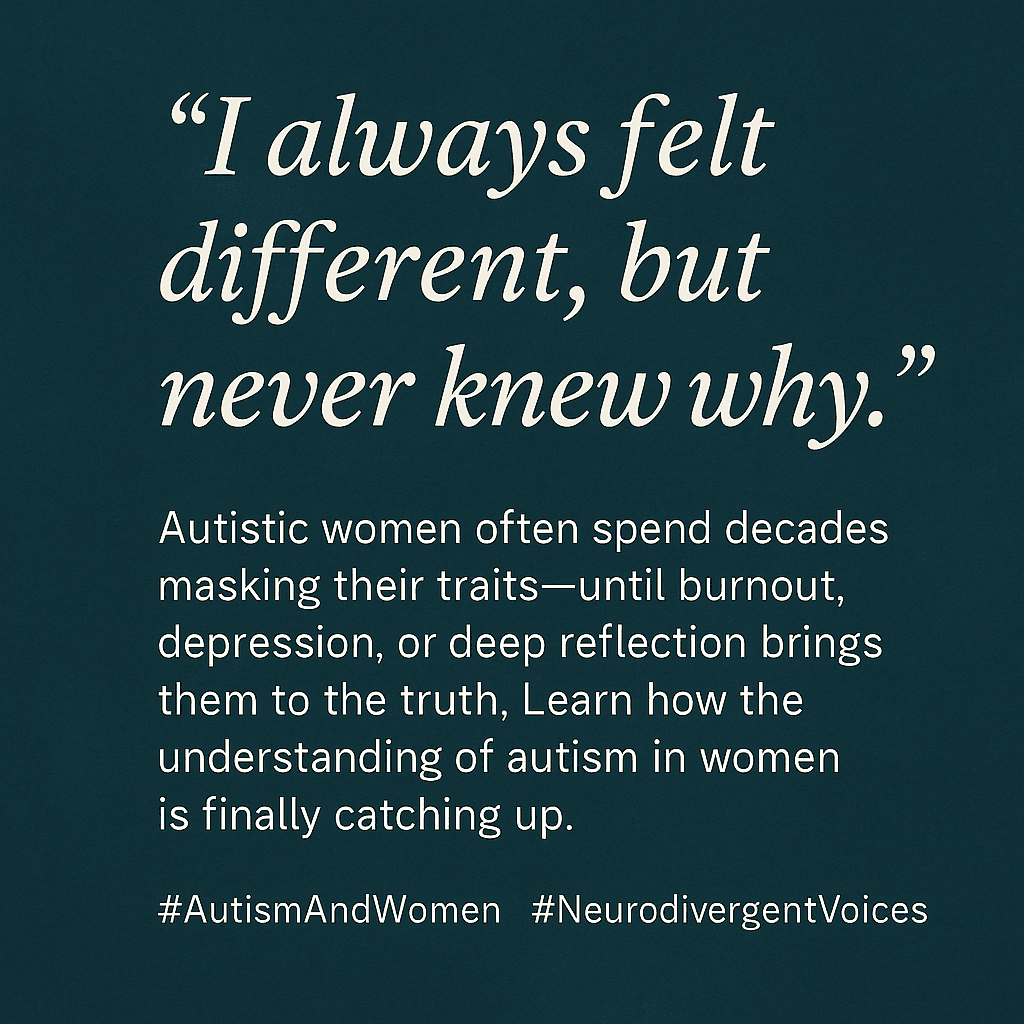
Unmasking the Truth: Autism and the Inner Lives of Women.
Autistic women are reclaiming their narratives, supported by emerging research, community voices, and trauma-informed clinical practices.

Bridging the Gap: Tackling the Mental Health Crisis in the Autistic Community.
Solutions include autism-affirming therapy approaches, co-designed mental health services, and community-based supports that build trust and accessibility.

Imagination or Reality? How the Brain Tells the Difference - and Why It Matters.
This research has profound implications — particularly for children, autistic individuals, and people with mental health conditions who may experience heightened sensory or imaginative engagement.

Groundbreaking Study Reveals Autistic Adults Face Major Barriers to Healthcare Access.
These findings align with what the autistic community has long known: the healthcare system is not designed with neurodivergent people in mind.

Gatekeeping Autism: Why It's Harmful - and Has to Stop.
It’s time to shift the focus from proving one’s diagnosis to respecting lived experience.
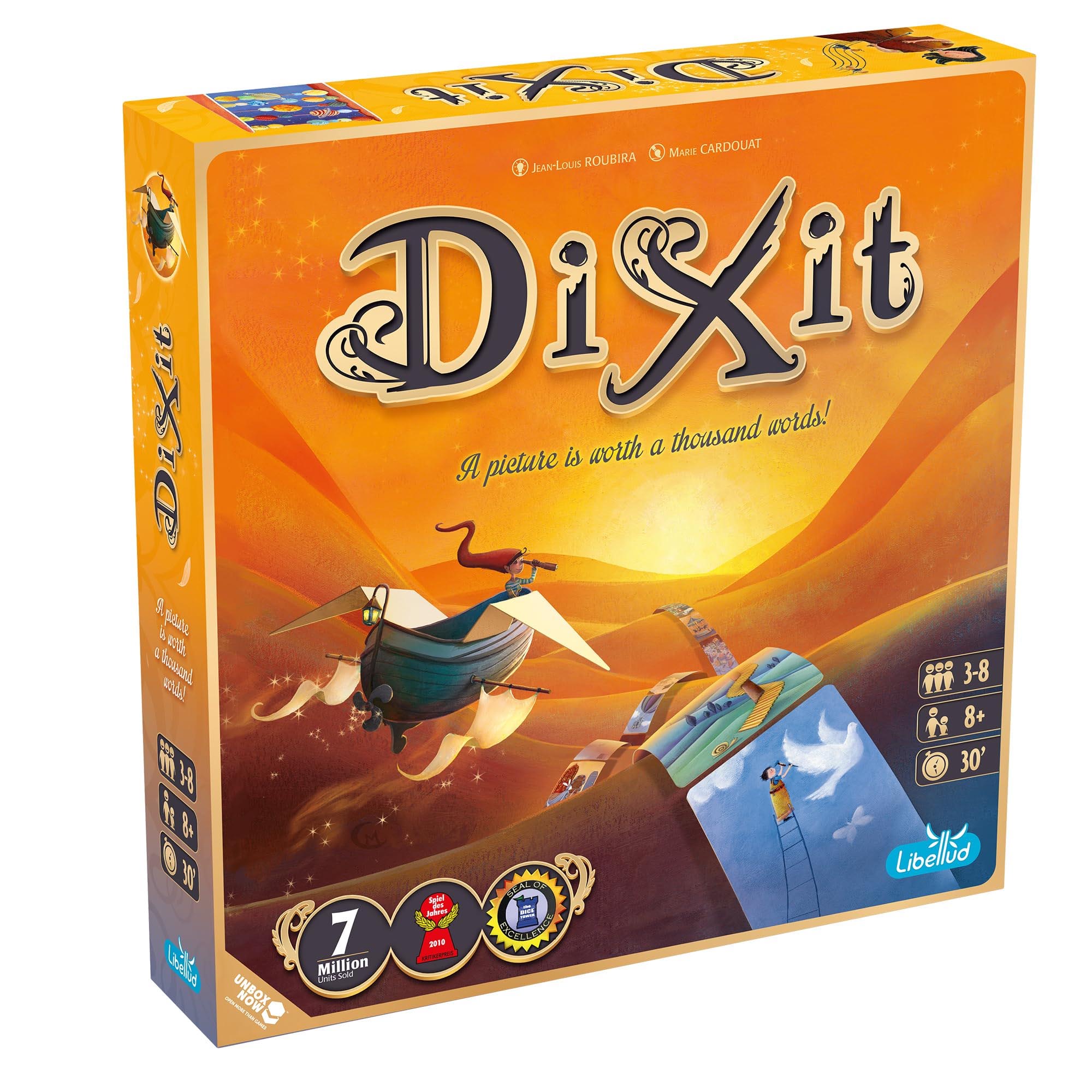
A Board Game That Gives Autistic Voices a Seat at the Table.
By blending research, creativity, and community voices, this board game is helping shift the narrative from “talking about autism” to talking with autistic people.

Is There an Autism Epidemic? What the Data Really Say.
What we need is not fear-based language, but continued support for inclusive education, accessible services, early interventions, and a cultural shift toward acceptance.

Temple Grandin: A Trailblazer Changing How the World Sees Autism.
Temple Grandin didn’t just break barriers — she built a bridge between worlds.
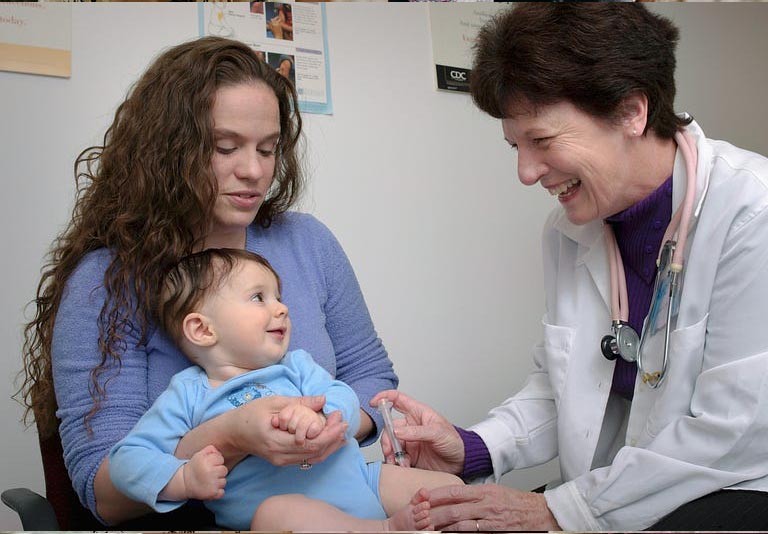
Autism Research Breakthroughs Are Transforming Pediatric Care.
These breakthroughs don’t just represent scientific progress — they signal hope.
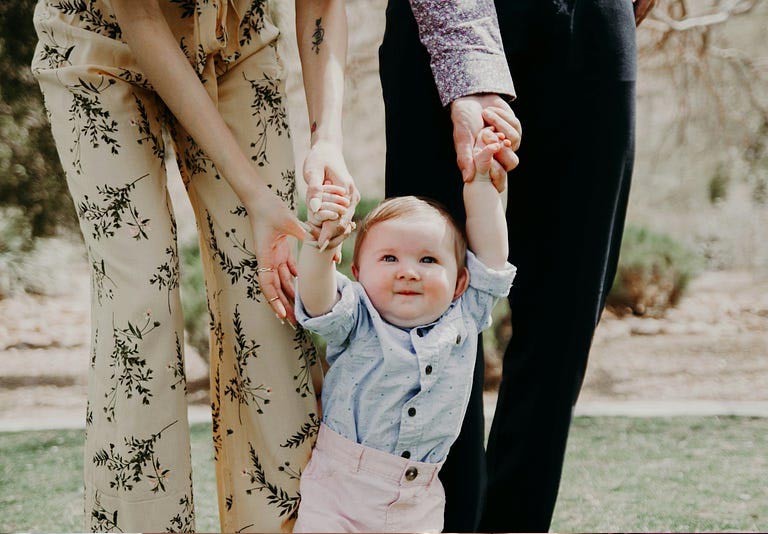
Parents of Autistic Children Face Higher Stress - Here's How We Can Help.
Experts emphasize the importance of tailored support — not just for the autistic child, but for the caregivers too.

Do You "Grow Out" of Autism? Understanding Lifelong Neurodivergence.
By shifting from a deficit-based view to a strengths-based approach, we can create a more inclusive and affirming society

Now There's Something Else to Do in Vegas: Creativity Is the New Formula for Life.
This exhibition is a response to the shifting values in our society, emphasizing that creative thinking is not optional but essential.

New Study Finds No Sex Differences in Autistic Toddlers at Time of First Diagnosis.
This comprehensive study underscores the necessity of early and unbiased diagnostic practices, ensuring that both boys and girls receive timely and appropriate interventions.
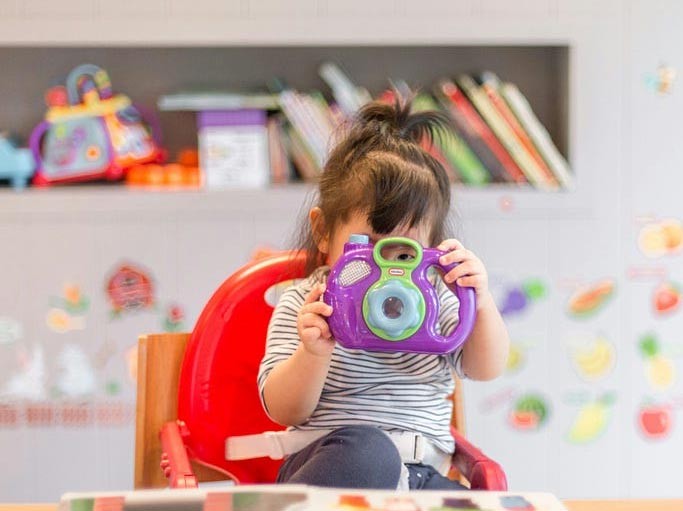
Empowering Young Voices: How Child-Led Therapy Enhances Autism Support.
This study underscores the importance of giving children with autism a voice in their therapy.

Autistic Intelligence: Evolution's Hidden Advantage.
Researchers like Simon Baron-Cohen and Bernard Crespi propose that these “autistic intelligences” are not deficits but evolved adaptations.

Imagination Over Degrees: How Neurodiversity Is Driving the Future of Tech Innovation.
In an era where artificial intelligence and automation are reshaping industries, the value of imagination and practical skills is surpassing traditional academic credentials.

Anupam Kher's Tanvi The Great Shines a Spotlight on Neurodiversity at Cannes 2025.
The film’s premiere at Cannes is a testament to the growing recognition of diverse stories in mainstream cinema.

Brain Inflammation Linked to Repetitive Behaviors in Autism and OCD.
These findings suggest that targeting brain inflammation could be a promising approach for treating repetitive behaviors in ASD and OCD.

Low Vitamin D at Birth Linked to Increased Risk of Autism and Other Neurodevelopmental Disorders.
The research suggests that ensuring adequate vitamin D levels during pregnancy and early life could potentially reduce the risk of these disorders.

Celebrating Neurodivergent Creativity: Rutgers’ RCAAS Art Gallery.
This gallery not only celebrates the diverse expressions of neurodivergent artists but also fosters an inclusive environment that values and promotes neurodiversity

The Silent Strength of Mothers Raising Children with Autism.
Olivia Sarkar highlights the unwavering dedication these mothers demonstrate as they navigate the unique challenges of raising a child with autism…

Summer’s Coming — FAU Releases First-of-its-Kind Water Safety Guide for Autism Families.
Florida Atlantic University (FAU) has unveiled a groundbreaking new tool for families of children with autism

New Research Database for Autism Announced.
The National Institutes of Health (NIH) and the Centers for Medicare & Medicaid Services (CMS) have announced a collaborative initiative to develop ….
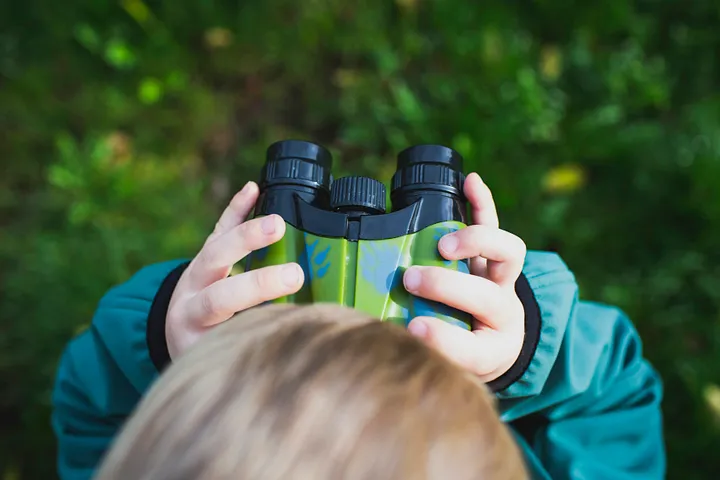
Unlocking a Hidden Talent Pool: Why Neurodivergent Workers Are the Future of the Workforce.
Neurodivergent individuals — those whose brains process information in unique ways, including people with autism, ADHD, dyslexia, and other cognitive differences — represent one of …
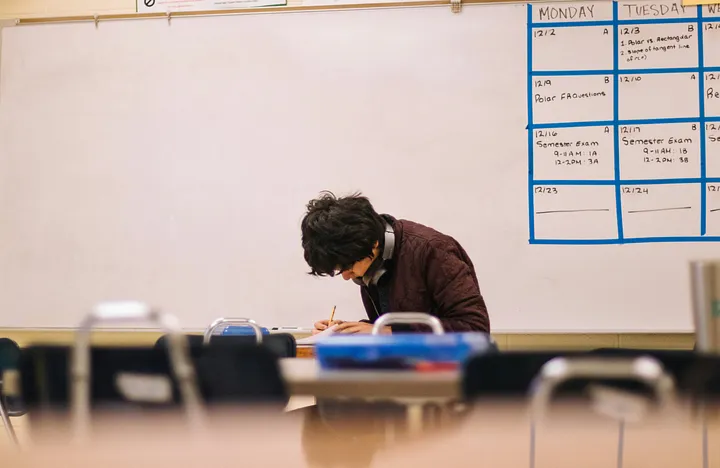
Six Years On: Addressing Unlawful Exclusions of Autistic Students in Scotland.
Six years ago, Scottish Autism, alongside Children in Scotland and the National Autistic Society Scotland, published a troubling report, Not Included, Not Engaged, Not Involved. The findings reveal…

A Sanctuary for All: St. Joseph Church’s Sensory Room Embraces Neurodivergent Worshippers.
…helping neurodivergent parishioners manage sensory overload during worship.
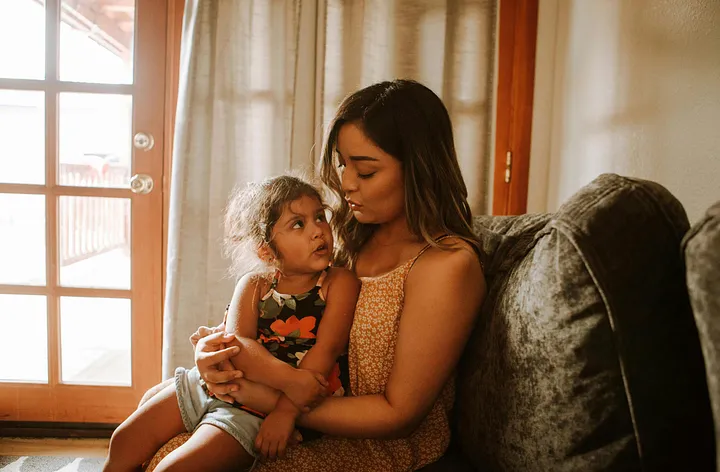
Why Autism in Girls Has Been Overlooked for Decades.
Autism has long been viewed as a predominantly male condition — but that belief is being challenged. According to CNN, boys are 10 times more likely than girls to be referred…

The Multifaceted Nature of Childhood Insomnia: Insights and Implications.
Childhood insomnia, affecting approximately 5% of children, is a complex sleep disturbance with profound implications for mental health and development. Recent research …
Enhancing Social Programs for the Neurodivergent in Oklahoma.
The Autism Foundation of Oklahoma (AFO) has received a generous grant from Expand Energy to enhance its social programming for neurodivergent adults in the Oklahoma …

LifeWorks for Autism Expands Independence-Building Program.
For young autistic adults seeking independence, LifeWorks for Autism has been a game-changer. Since 2020, its Transition Academy has helped …

Legacy MD Enhancing Care for Neurodivergent Children.
Legacy MD Medical Group is revolutionizing pediatric care with its innovative sensory room designed specifically for neurodivergent children. Located in …

Forgotten and Friendless: Adults on the Autism Spectrum.
The challenges of raising a child with autism are significant, but for many parents, the real struggle begins when their child becomes an adult. As a father to a ….
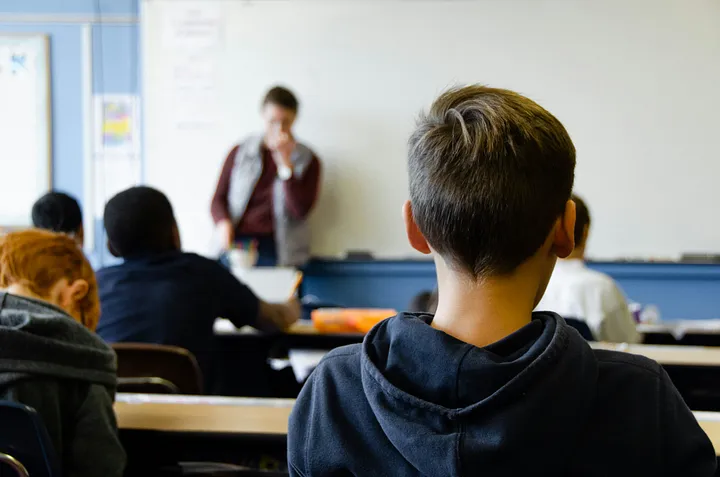
How Special Education Failed Me — A Call for Reform.
From kindergarten through sixth grade, I was placed in a special education program due to my autism and ADHD. Rather than receiving tailored support, I found myself stuck ….
The Journey of an Autistic Advocate: From Diagnosis to Defying Expectations.
When I was diagnosed on the autism spectrum at the age of five in Brisbane, Australia, my parents were given a grim outlook. The pediatrician told them I would never get a job, never …

Gaming Addiction: Insights from Teen Brain Studies.
For many adolescents, gaming is a beloved pastime, but for some, it may develop into an unhealthy addiction.
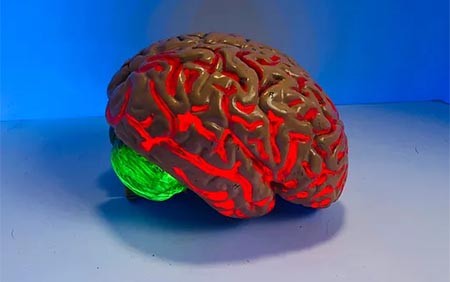
Unlocking the Brain’s Reward System: New Insights into Autism and ADHD.
The study could revolutionize personalized interventions for autism…

Concerning Report on Screen Time.
Although screens offer educational and social benefits, the study emphasizes potential risks

Great New Resource Announced!
This AI-powered platform aims to revolutionize autism spectrum disorder (ASD) care by connecting families, clinicians, and researchers

Screen Time and Toddlers: The Language Development Concern.
…increased screen time may be linked to delayed language development in toddlers.

The Power of Puppetry: Using Negative Space to Evoke Emotion.
By manipulating light and shadow, Brehm and her team create evocative silhouettes

Playgroups Where Neurodiverse Kids Can Truly Be Themselves.
…these playgroups are more than a resource — they’re a lifeline, helping children and parents alike build connections and thrive.

Understanding Delayed Autism Diagnosis: A Data-Driven Approach.
Despite advancements in early autism detection, approximately 25% of children still receive their diagnosis after the age of six.

A New Autism Test Using Hair Strands Raises Hope and Questions.
Clearstrand-ASD could help prioritize children who need urgent interventions.

Early Autism Detection Revolutionized with EarliPoint Technology.
Cutting-edge tool that uses eye-tracking and advanced algorithms to detect early signs of autism in children as young as 16 months.

Exploring the Link Between Environmental Pollutants and Autism Spectrum Disorder.
Given the increasing prevalence of ASD and the potential role of environmental factors, regulatory policies should consider stricter guidelines

Exploring Literature Through a Neurodivergent Lens.
The goal is not to label authors or characters with specific diagnoses but to explore how diverse cognitive styles manifest in literature.

The Cognitive Benefits of Bilingualism for Children with Autism.
The study challenges the previous belief that learning multiple languages might overwhelm autistic children.

Using AI to Decode Autism: A New Frontier in Communication.
The project aims to translate behavioral patterns — such as eye movements and gestures — into actionable insights for caregivers.

Book Review: Autistic Intelligence: Interaction, Individuality, and the Challenges of Diagnosis.
Their approach moves beyond deficit-based frameworks, highlighting the unique strengths and intelligence of neurodiverse individuals.

Understanding Autism Through Eye Movements: A New Frontier.
Griffin’s work promises to enhance our understanding of autism and open pathways for new interventions to improve social perception.

A Paradigm Shift in Autism: Embracing Diversity and Building Adaptive Environments.
Krasno advocates for a neurodiversity-affirming approach that views autism as a difference in brain wiring rather than a disorder to be fixed.
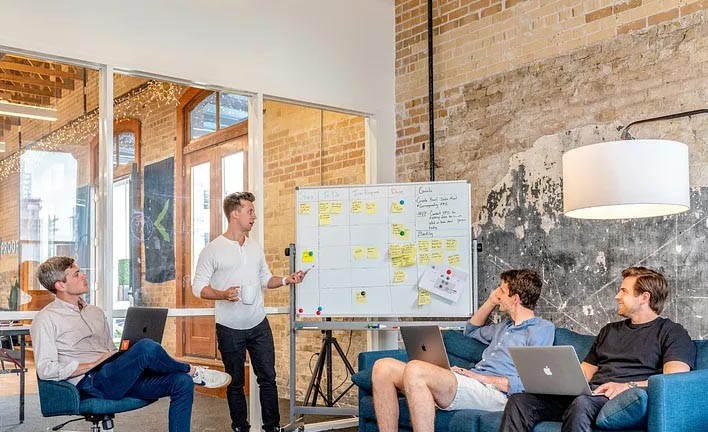
Unlocking Potential: Autistic People as an Underutilized Talent Pool.
Research shows that autistic individuals can be up to 140% more productive, bringing unique abilities such as understanding complex systems, unwavering focus, and deep loyalty to the workplace.
Autism CARES Act Extended: What It Means for the Autism Community.
This extension promises a brighter future for autistic individuals and their families by addressing disparities in healthcare, daily support, and resources.

Exploring the Unique Connection Between Autism and Comics.
Research has long suggested that comics hold a special appeal for autistic individuals.

Current Autism Research Projects.
Below is a list of current autism studies across various institutions, along with their contact information.